Citadelle Native Re-vegetation Project
About the project
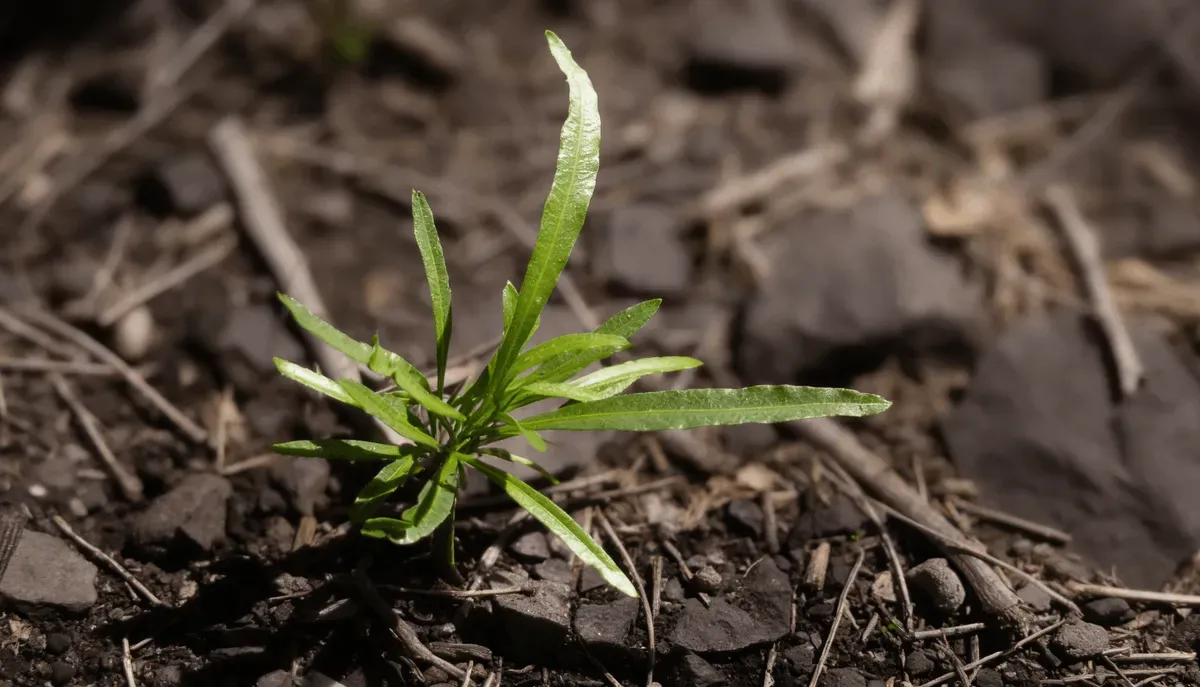
Restoring Petite Montagne
Since 2015, the Citadelle Native Re-vegetation Project, managed by the NGO Friends of the Environment, has been restoring native vegetation on the northern slopes of Petite Montagne behind Fort Adelaide in Port-Louis.
The project focuses on the long-term ecological recovery of a degraded urban hillside where native vegetation was historically cleared, leaving exposed soil degradation, invasive plant pressure and recurring human-induced fires.
Through native and endemic planting, invasive plant management, site maintenance, ecological monitoring and public engagement, the project is helping the landscape regain its ecological function while contributing to a greener and more resilient urban environment.
Landscape shaped by history
The northern slopes of Petite Montagne were once part of Mauritius' native dry forest landscape. During the British colonial period in the early 19th century, when Fort Adelaide was built, almost all of this vegetation was cleared to maintain open visibility across Port Louis and the surrounding area. What had once been a living forested hillside was gradually left exposed to harsh winds, intense summer rains and long dry seasons.
Over time, the loss of tree cover weakened the land. Heavy rainfall washed away much of the topsoil, leaving behind a rocky, arid surface where many native plants could no longer easily return. In this altered environment, invasive species such as Agave americana (Agave or Laloes), Leucaena leucocephala (Acacia) and invasive grasses spread across the slopes, changing the landscape from dry forest to open, fire-prone savanna.
Today, the hillside turns increasingly brown and dry during the winter months, when rainfall is low. Combined with dumped waste, discarded cigarettes and accidental or intentional fires, these conditions place the landscape under constant pressure. The result is a cycle of soil degradation, biodiversity loss and recurring fire risk.
The Citadelle Native Re-vegetation Project works to break this cycle by restoring native vegetation, rebuilding ecological function and reconnecting people with nature in the heart of the city.
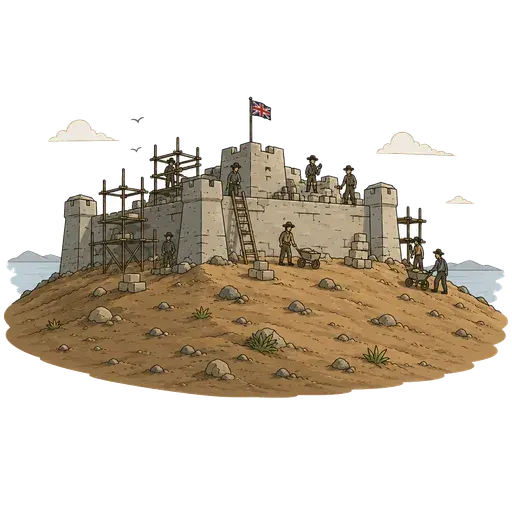
Forest cleared for visibility
Native dry forest was removed during the British colonial period to keep Fort Adelaide open to 360° views.
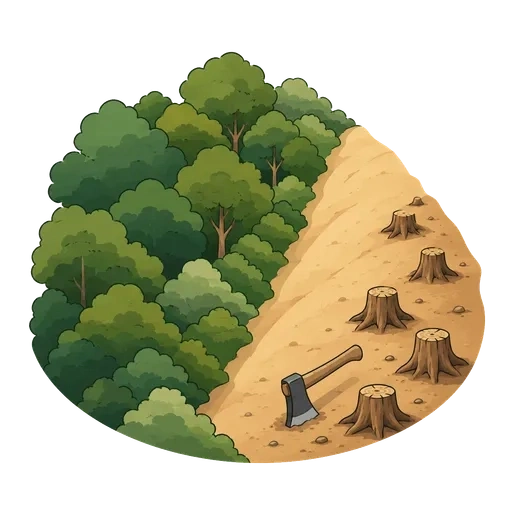
A hillside left exposed
Without tree cover, harsh winds and heavy summer rains washed away topsoil, leaving rocky, arid slopes.
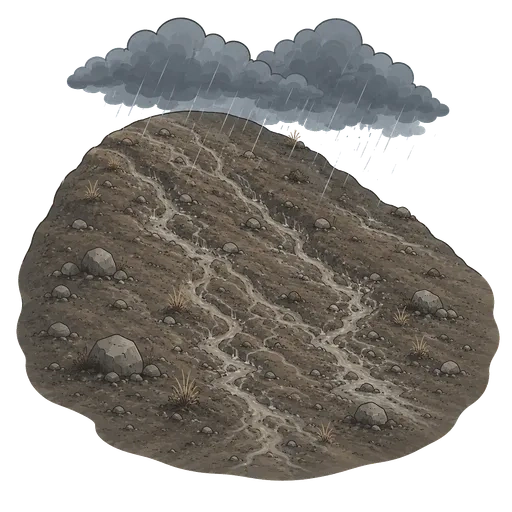
Soil degradation and erosion
Continuous exposure to the elements caused severe soil erosion, reducing fertility and making natural regeneration difficult.
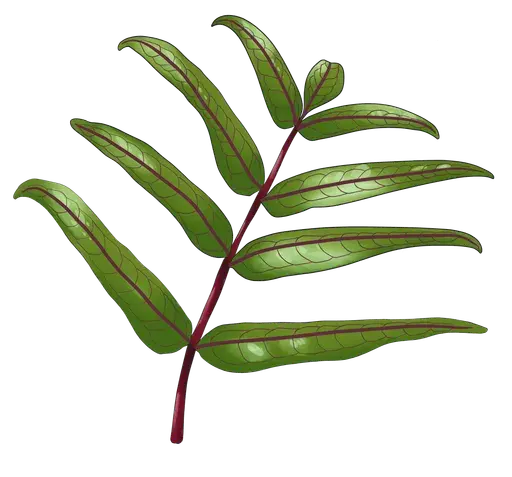
Loss of native biodiversity
The removal of indigenous vegetation led to a decline in native plant and animal species that once thrived in the area.
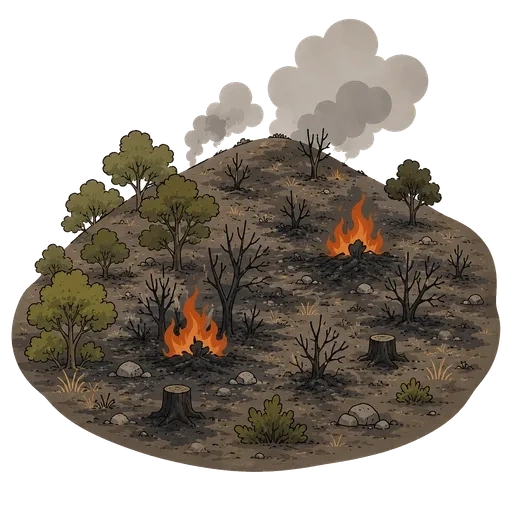
A fire-prone landscape
Invasive grasses and trees like acacia spread across the degraded hillside, making it drier and more vulnerable to fires.
Our Mission
Rebuild native vegetation and ecological function on Petite Montagne through science-based restoration, long-term site care and public engagement.
Beyond restoration, the project serves as a platform for environmental education and community connection, helping schools, organisations, volunteers and the wider public better understand Mauritius native biodiversity, ecological restoration and the role of urban nature in greener, more resilient communities.
Project Objectives
The Citadelle Native Re-vegetation Project restores more than vegetation. It works to rebuild ecological function, reduce landscape pressures and create a living connection between the city, its people and its natural heritage.
Ecosystem Restoration
Restore native and endemic plant communities adapted to the dry, exposed conditions of Petite Montagne. This includes improving vegetation cover, strengthening ecosystem structure and supporting greater diversity of native flora and fauna over time.
Sustainable Urban Greening
Create a resilient urban green space in the heart of Port Louis where people can walk, learn, observe nature and connect with the restored landscape. By using native species suited to local conditions, the project demonstrates how urban greening can support both biodiversity and public well-being.
Community Engagement
Promote environmental education and public participation in Mauritius native biodiversity. Through schools, communities, volunteers and partners, the project creates hands-on opportunities for people to understand restoration, contribute to the site and take pride in the natural environment.
Decrease Hazards
Reduce environmental risks linked to degraded slopes, erosion, invasive vegetation and fire-prone landscapes. This includes stabilising exposed areas, improving soil conditions, managing invasive plants such as grasses, agave and acacia, and reducing dry combustible vegetation on the slopes.
Cultural Preservation
Enhance the natural setting of Fort Adelaide by reconnecting this historic landscape with native Mauritian vegetation and natural and cultural heritage. Through science-based restoration, monitoring and adaptive site management, the project also offers a practical model for urban ecological restoration in a small island context.
Scientific and Adaptive Approach
Restoration at Petite Montagne is guided by research, field testing and continuous monitoring.
Because historical information on the exact species that previously grew on the site is limited, the project does not rely on guesswork or a fixed replica of the past. Instead, research, field testing and monitoring help identify native and endemic species with the potential to survive in this dry, exposed and degraded ecosystem.
Species are selected based on drought tolerance, ecological role, resilience, soil stabilisation potential and suitability to local conditions. The project also applies different scientifically tested planting and restoration methods to improve survival and adaptability, including techniques that support accelerated natural regeneration where conditions allow native plants to recover and establish more successfully.
As restoration progresses, tagged plants are monitored for survival, growth and performance across the restoration plots.
The project also uses an ecosystem-based management approach to reduce the pressure of invasive species and create better conditions for native vegetation to return. By controlling invasive grasses, agave and acacia while actively promoting native plants establishment, the project works with the ecological processes of the site rather than treating restoration as a one-time planting exercise.
This science-based approach allows the project to learn from field results, adapt its methods over time and make restoration decisions based on evidence from the site.
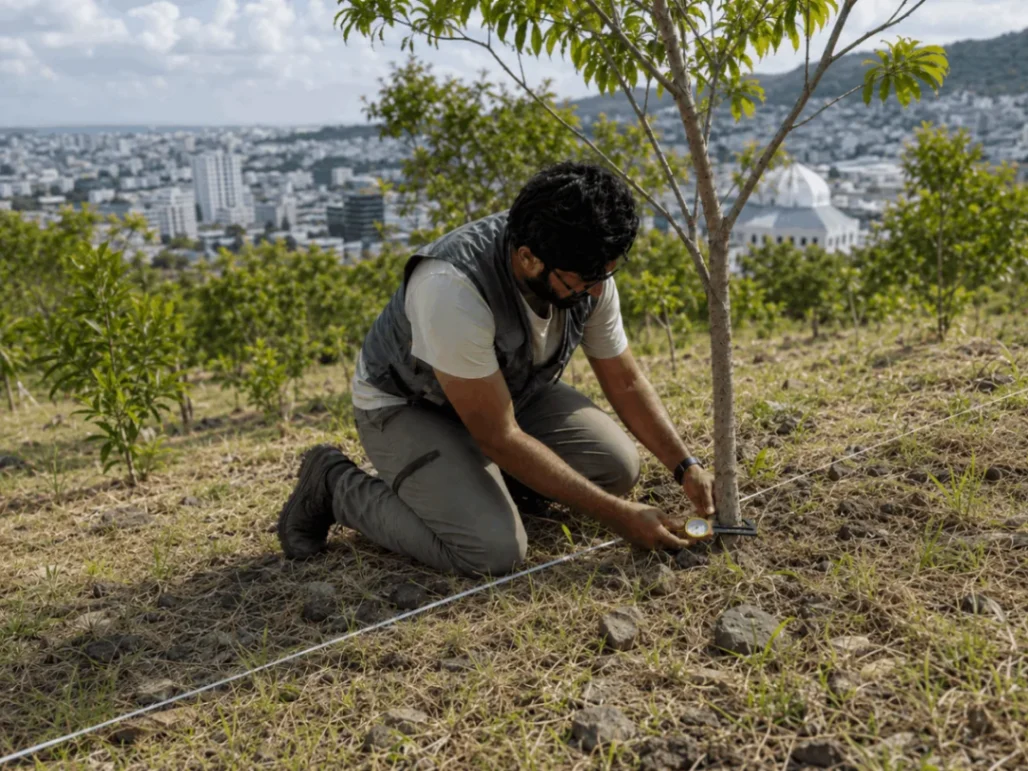
A Green Urban Space for Port-Louis
By restoring native vegetation behind Fort Adelaide, the project contributes to biodiversity conservation, environmental education and the development of a greener urban landscape in the heart of Port Louis.
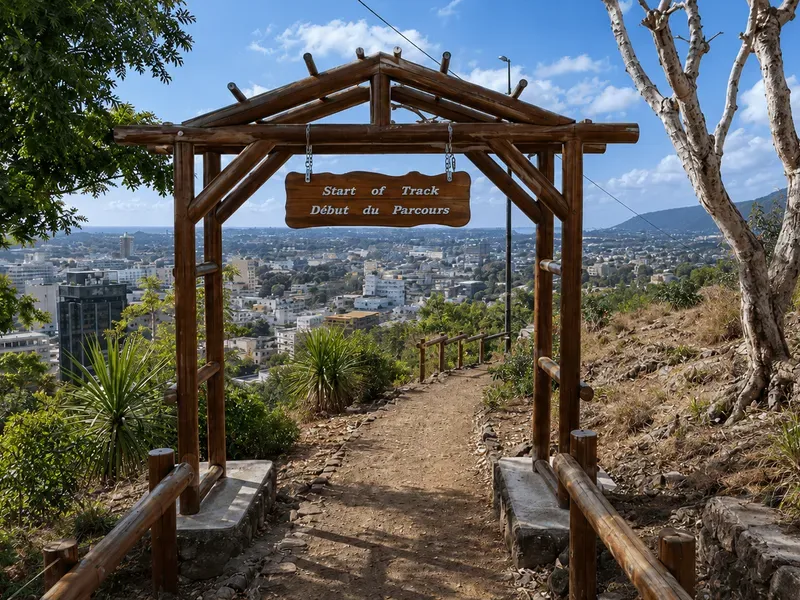
Bordered by a health track and used by people walking, exercising and spending time outdoors, the site also has value as an open, community-facing green space. As the restored vegetation develops, Petite Montagne can help strengthen everyday connections with nature in the city.
Health track installed on-site
Support environmental stewardship in the heart of the city
The Citadelle Native Re-vegetation Project depends on continued care, collaboration and public support.
Whether you volunteer, organise a group activity, support the project or help share its story, you can contribute to native biodiversity recovery, ecological restoration and a stronger culture of environmental stewardship in Mauritius.