Restoring native biodiversity in the heart of Port Louis
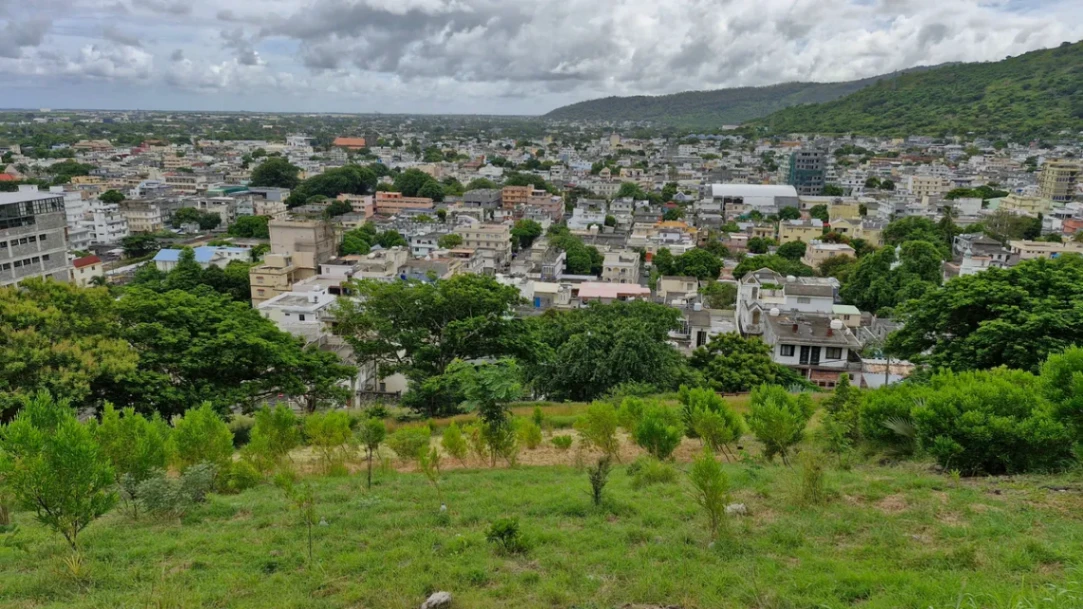
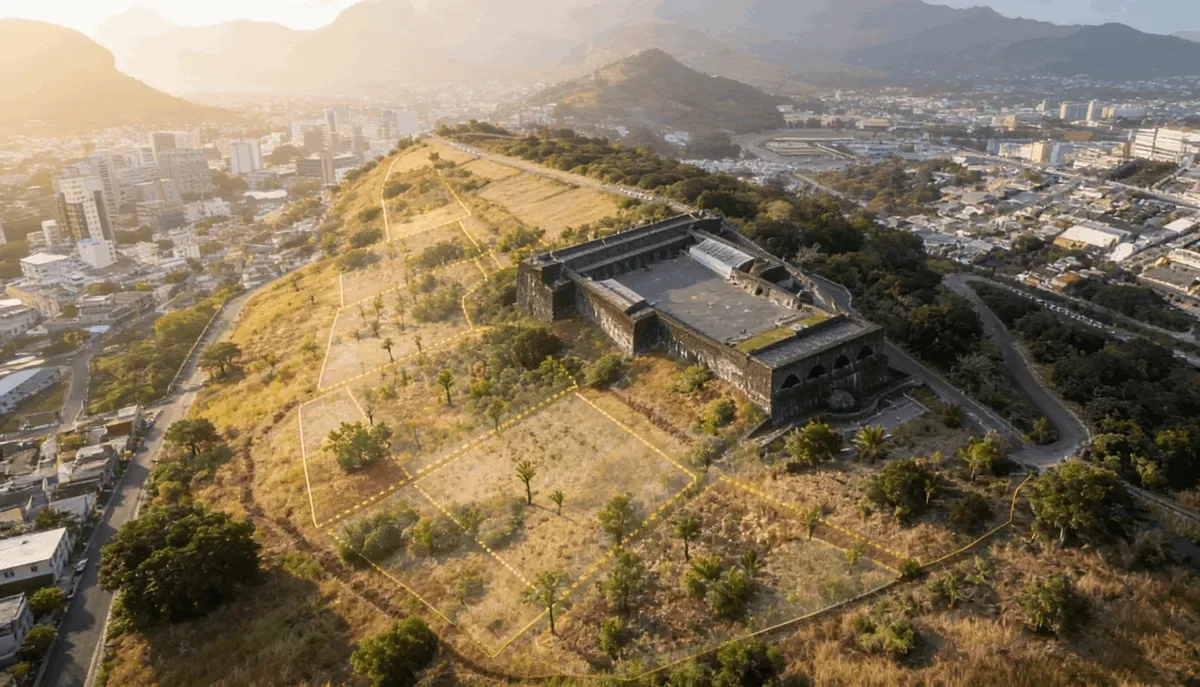
On the northern slopes of Petite Montagne, behind Fort Adelaide, the Citadelle Native Re-vegetation Project is rebuilding native and endemic vegetation in one of Mauritius' most visible urban landscapes.
Managed by Friends of the Environment, the project combines science-based restoration, invasive plant management, long-term monitoring and public learning to turn a degraded, fire-prone hillside into a living space for native biodiversity, ecological resilience and community connection.

15+ Years
Since the first pilot restoration efforts at La Citadelle

15000+ Plants
Planted by volunteers across La Citadelle restoration site
38 Native Species
Established to support ecosystem recovery

40000 m²
Under active restoration and ecological management
Landscape in Recovery
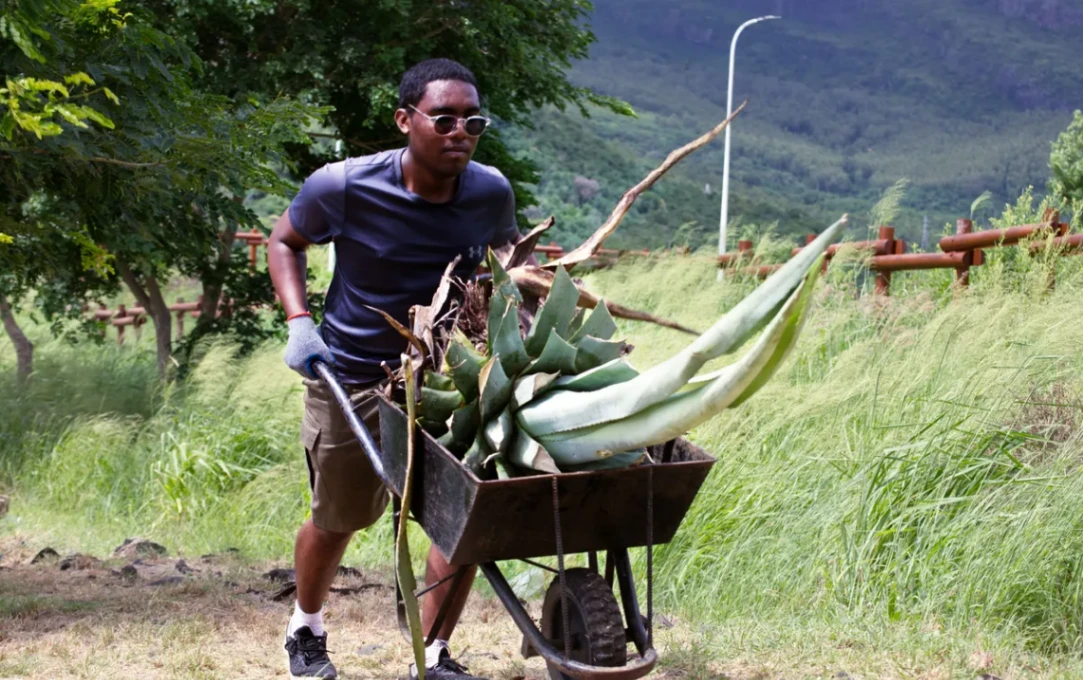
Petite Montagne carries the effects and impacts of decades of invasive vegetation, erosion and repeated human-induced fires. Restoring it takes more than planting trees. It means rebuilding the ecological conditions that allow native and endemic species to establish, reproduce and gradually reclaim space.
At the Citadelle restoration site in Port Louis, that recovery is already underway. Native plants are taking hold, new seedlings are appearing naturally, and invasive plant management is helping recovering vegetation gain ground.
The goal is to restore a more diverse and resilient urban ecosystem, one that supports Mauritius’ native biodiversity and brings a living piece of native nature back into the heart of the capital.
Why this project matters
In a dense city like Port Louis, even relatively small habitat areas can deliver meaningful conservation benefits. Around Fort Adelaide, restoring native vegetation helps strengthen habitat connectivity, improve soil stability and retain important ecological functions within the urban landscape.
This gives the site strategic value for both biodiversity conservation and long-term urban resilience.
Cooling the city
Trees, shrubs and ground vegetation provide shade, reduce exposed surfaces and help cool the surrounding air.
Stabilising slopes
Plant roots help hold soil in place, reduce erosion and support gradual recovery on exposed hillside areas.

Reducing fire risk
Managing invasive species helps reduce fire-prone vegetation and raising awareness on dumping and burning trash supports safer long-term site conditions.
Supporting native biodiversity
Native and endemic plants create habitat conditions for insects, reptiles, birds and other wildlife.

Supporting community well-being
As the landscape recovers, it creates a greener public space where people can walk, learn, observe nature and spend time outdoors.
Restoration Process
Ecological restoration is built through repeated care, observation and adaptation. At Petite Montagne, each restoration plot is managed according to site conditions, plant performance and the long-term recovery needs of the landscape.
Preparing the site
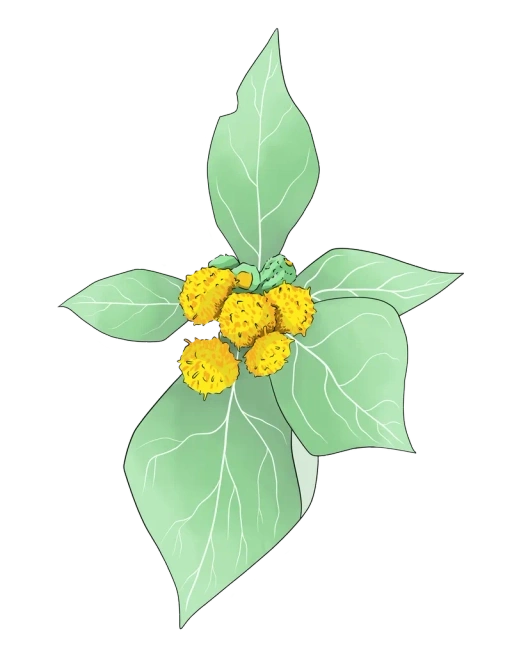
The soil is naturally enhanced with several components whilst invasive plant species, including fire-prone grasses that compete with young native vegetation are removed.
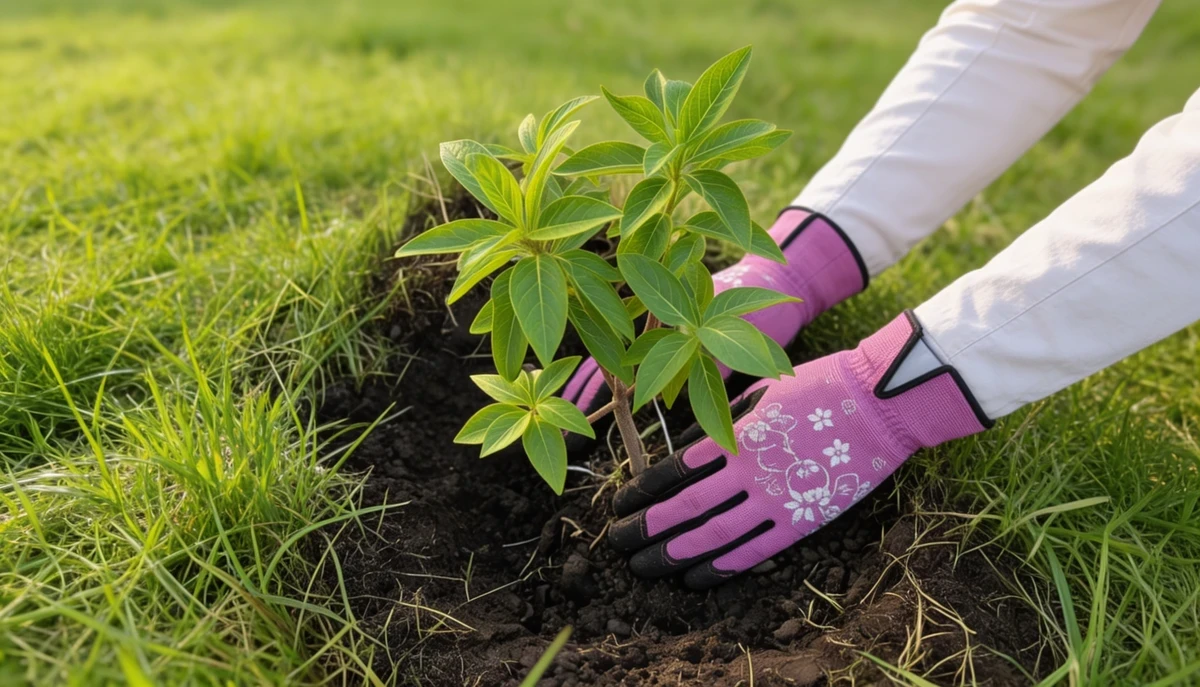
Planting native species
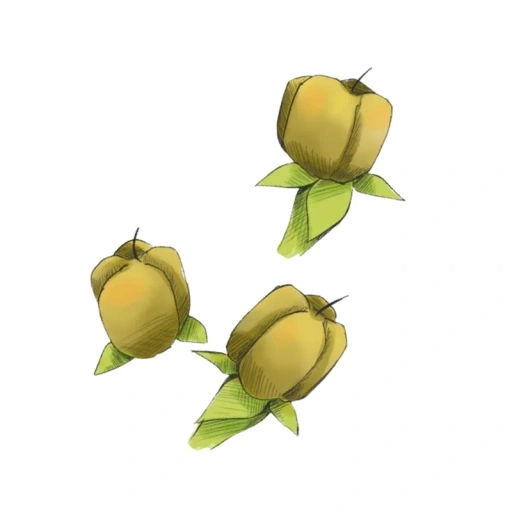
Native and endemic plants are selected for their ecological role, resilience and suitability to the dry conditions of Port-Louis.
Caring for young plants
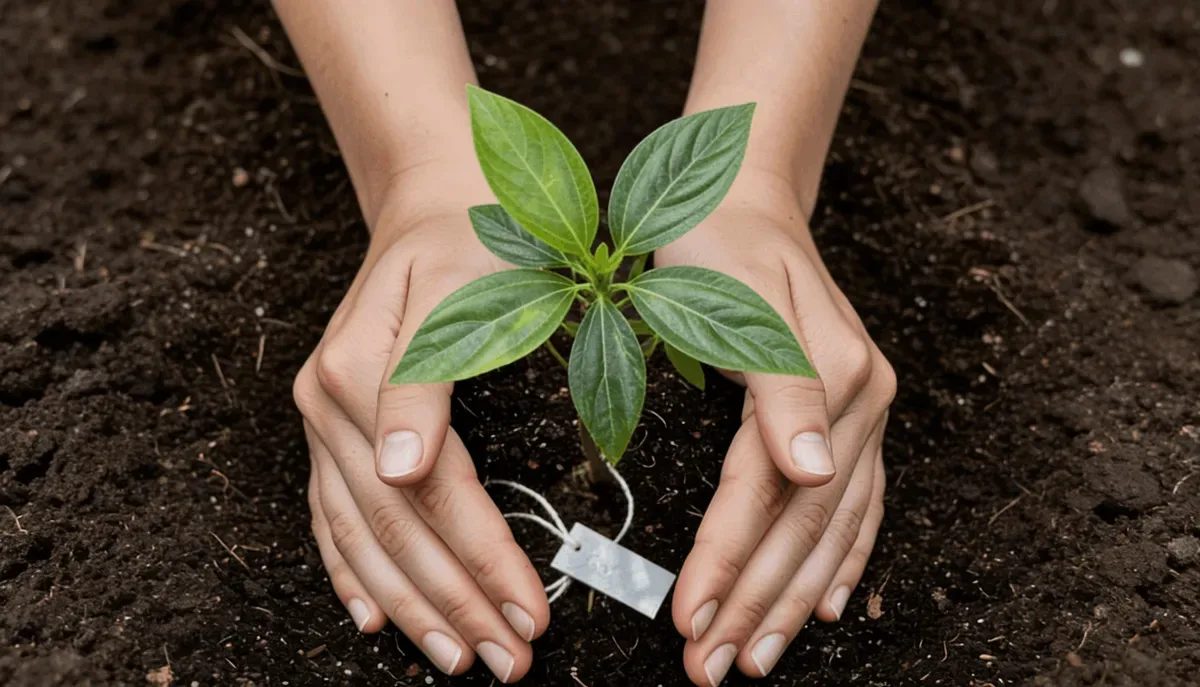
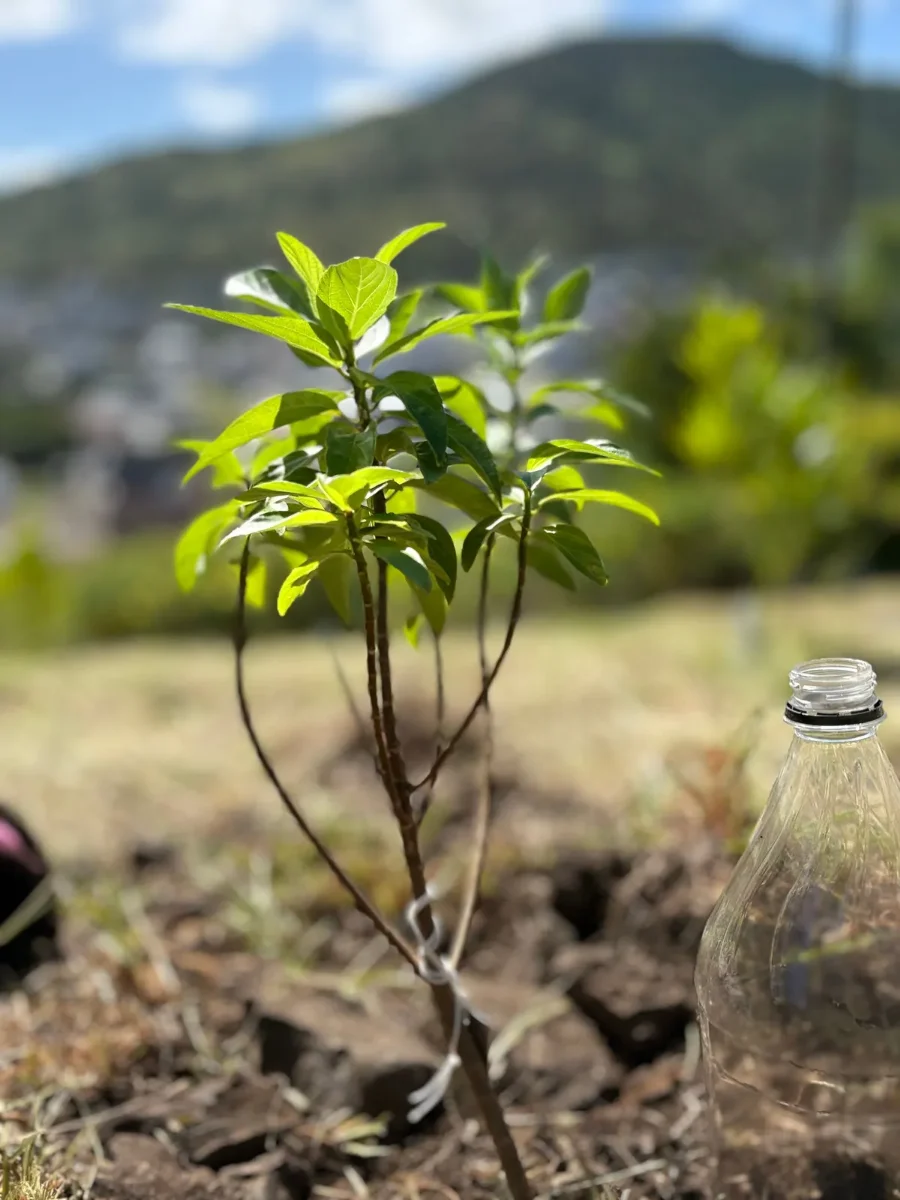
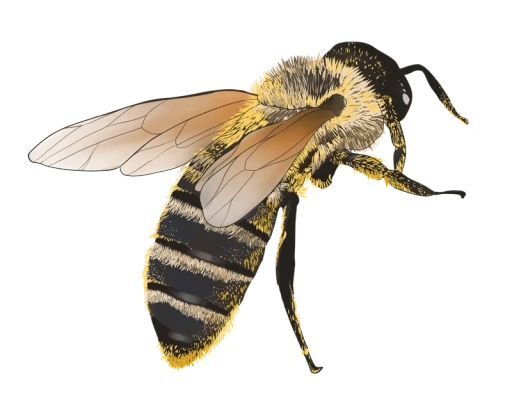
Newly planted saplings require regular watering, ring-weeding and maintenance during their early establishment phase.
Monitoring survival and growth
Plants are tagged and monitored to assess survival, growth and performance across restoration plots.
Featured Native Species
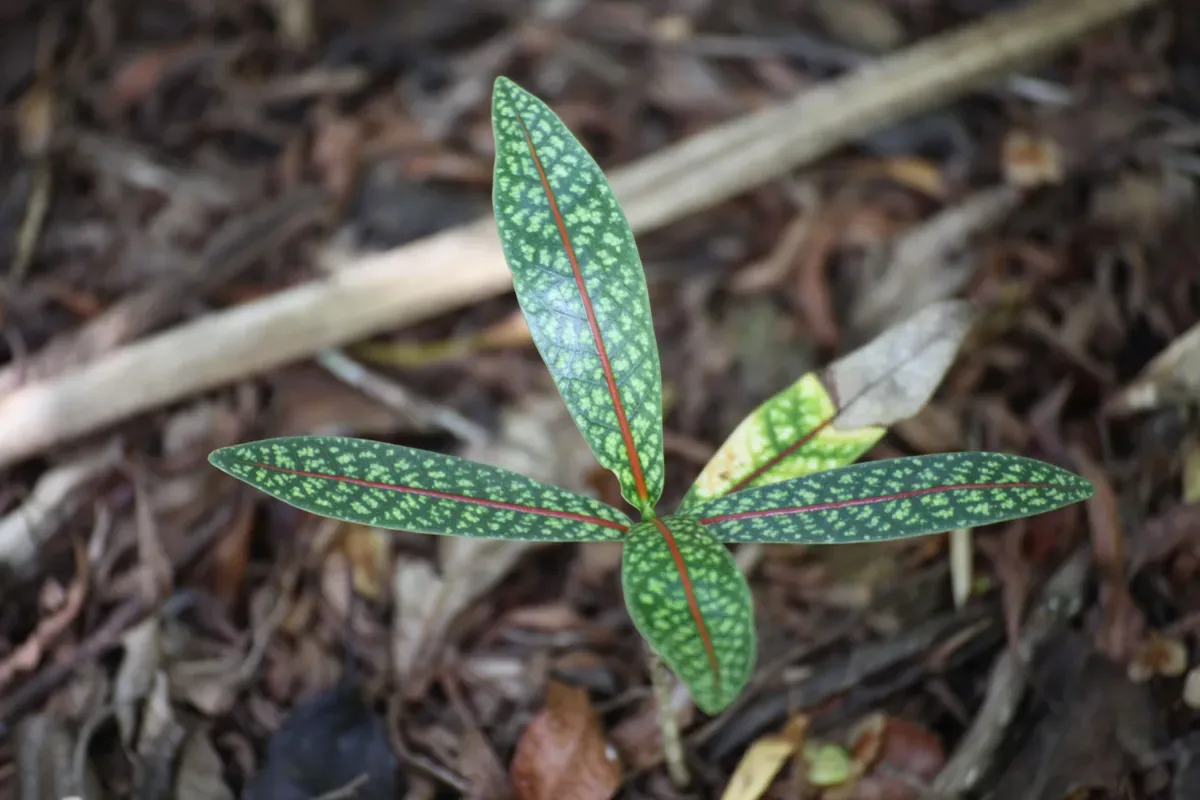
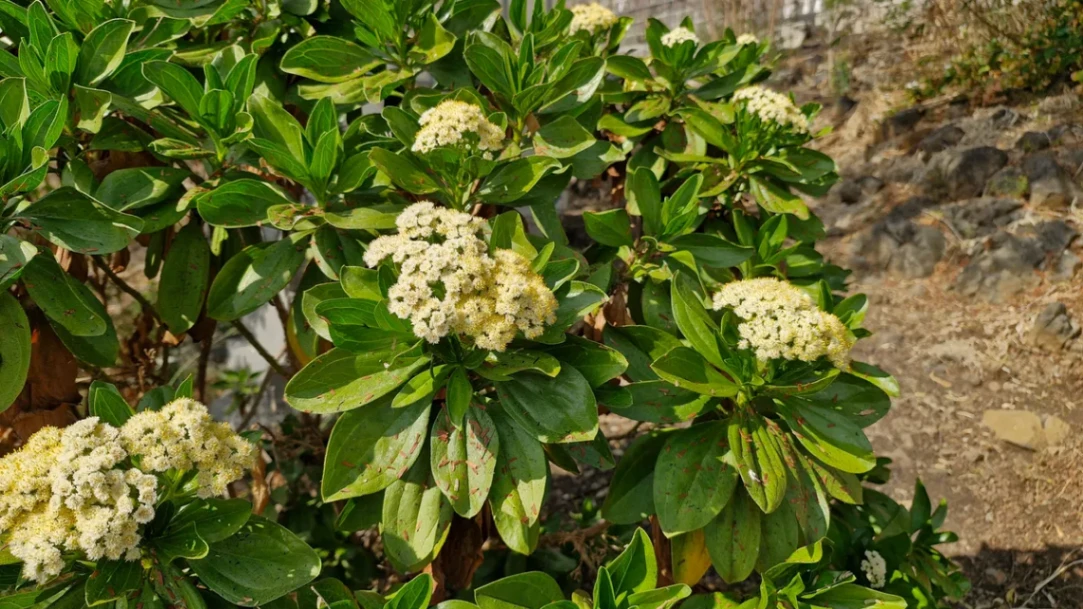
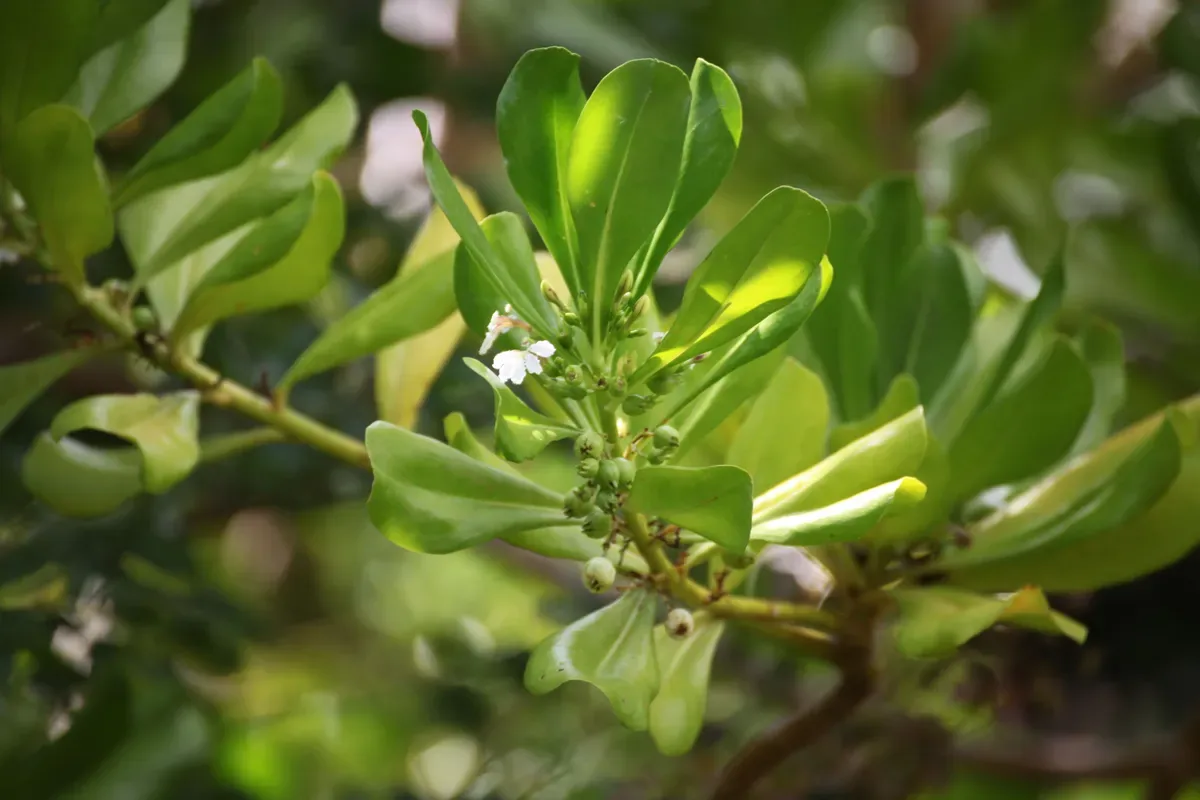
Each month, meet one native or endemic species growing within the restoration site: how it survives, what ecological role it plays and why it matters for Mauritius dry forest heritage
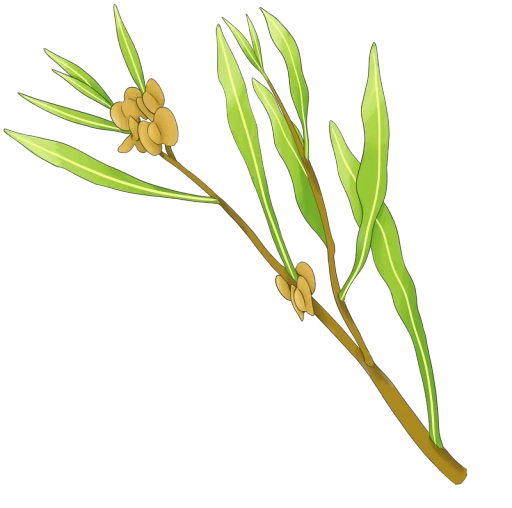
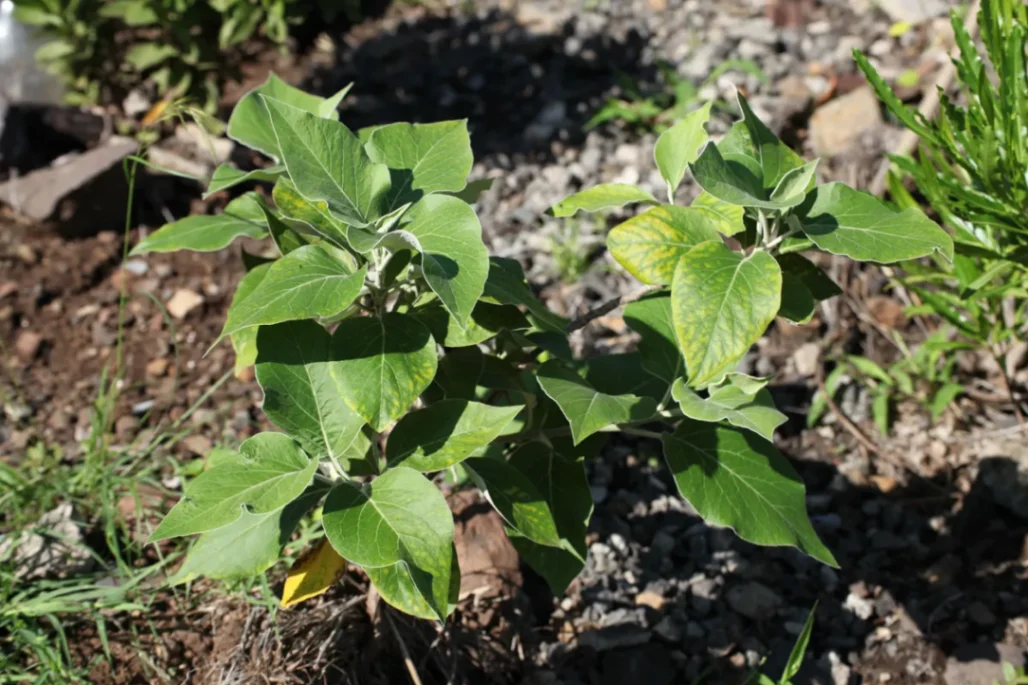
Bois de Reinette / Bois de Pomme
Dodonaea Viscosa
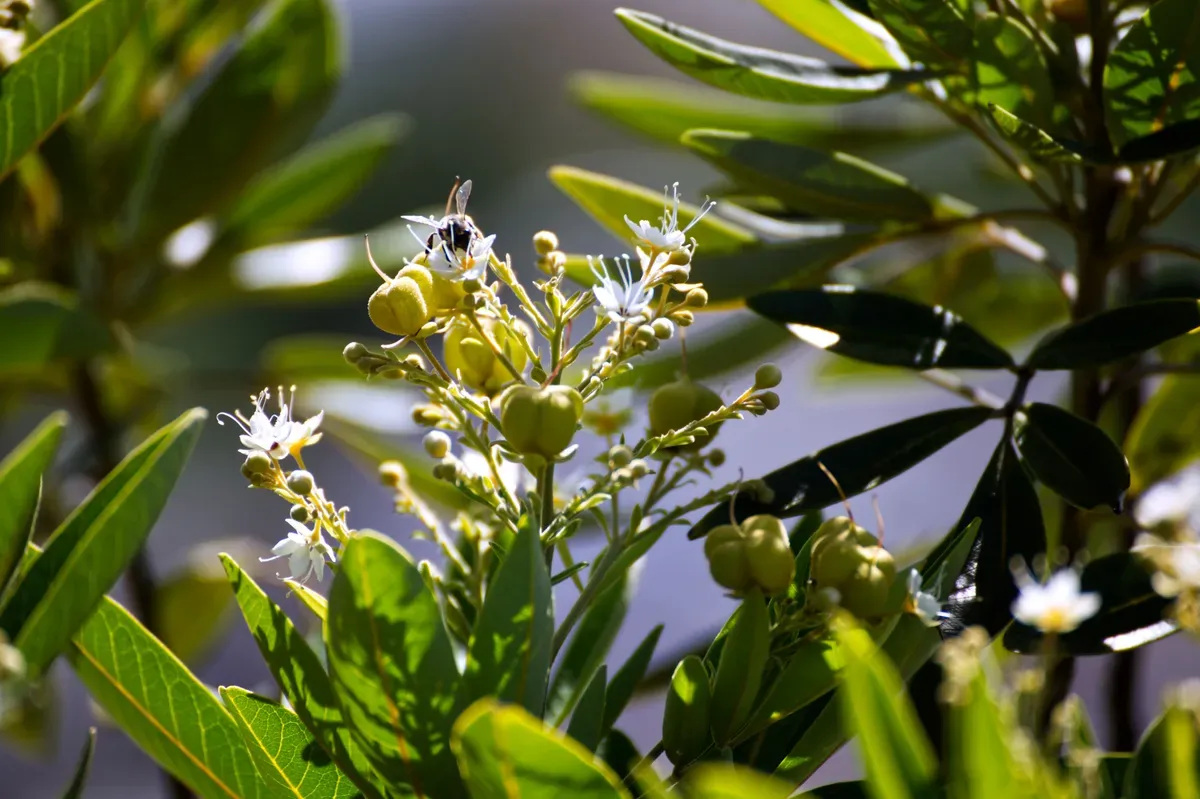
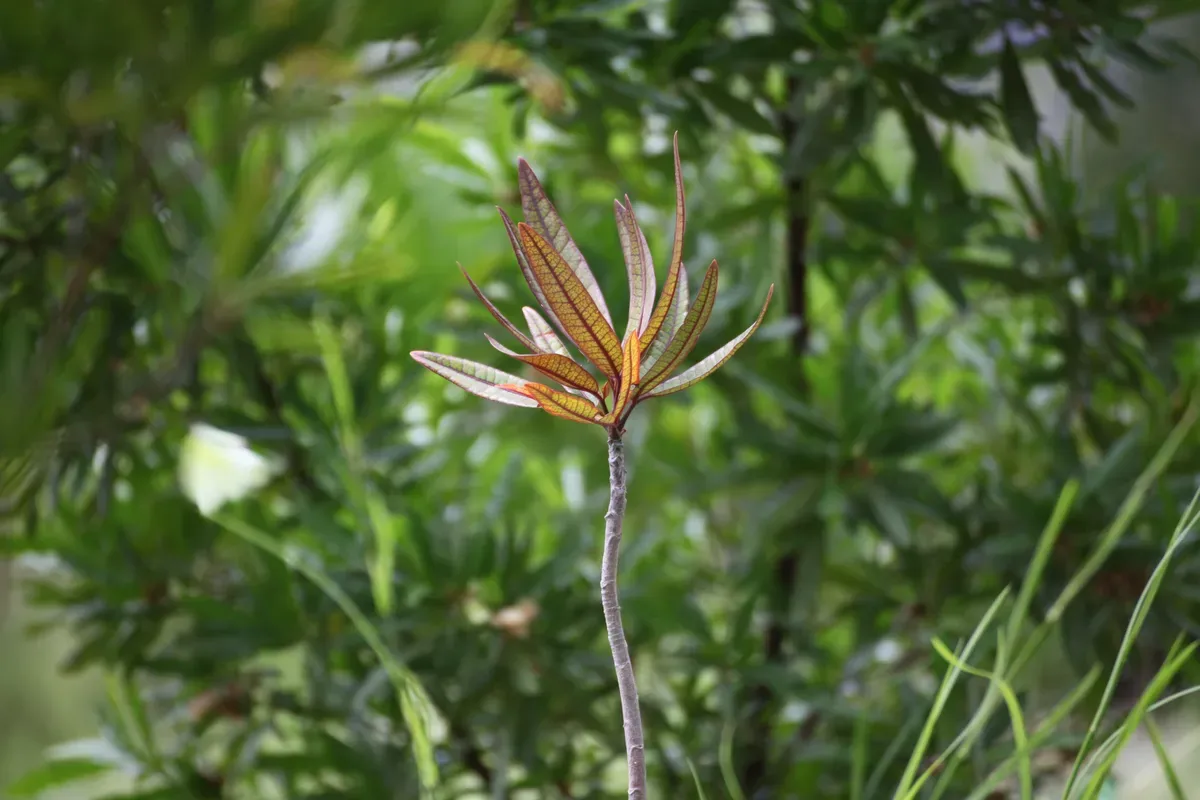
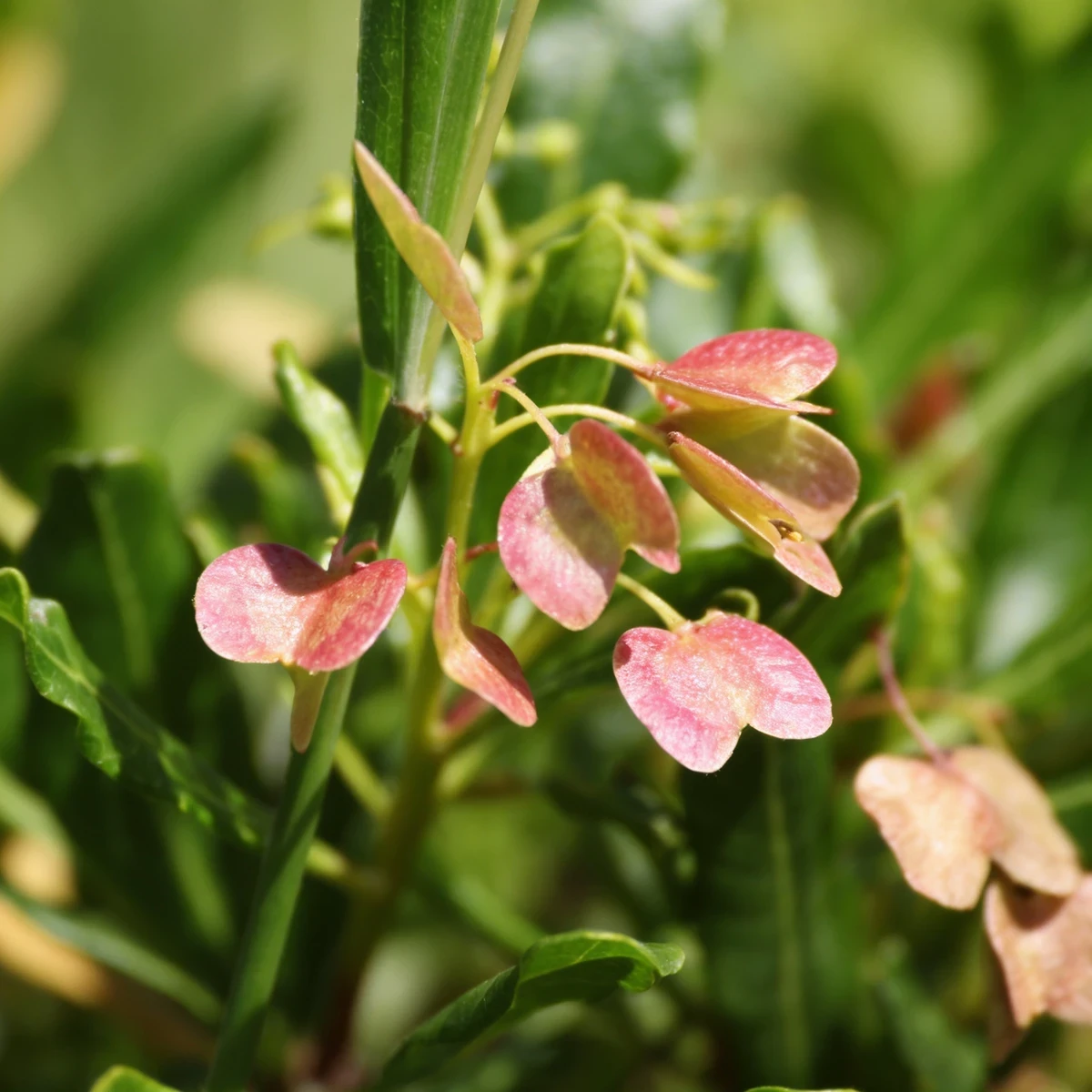
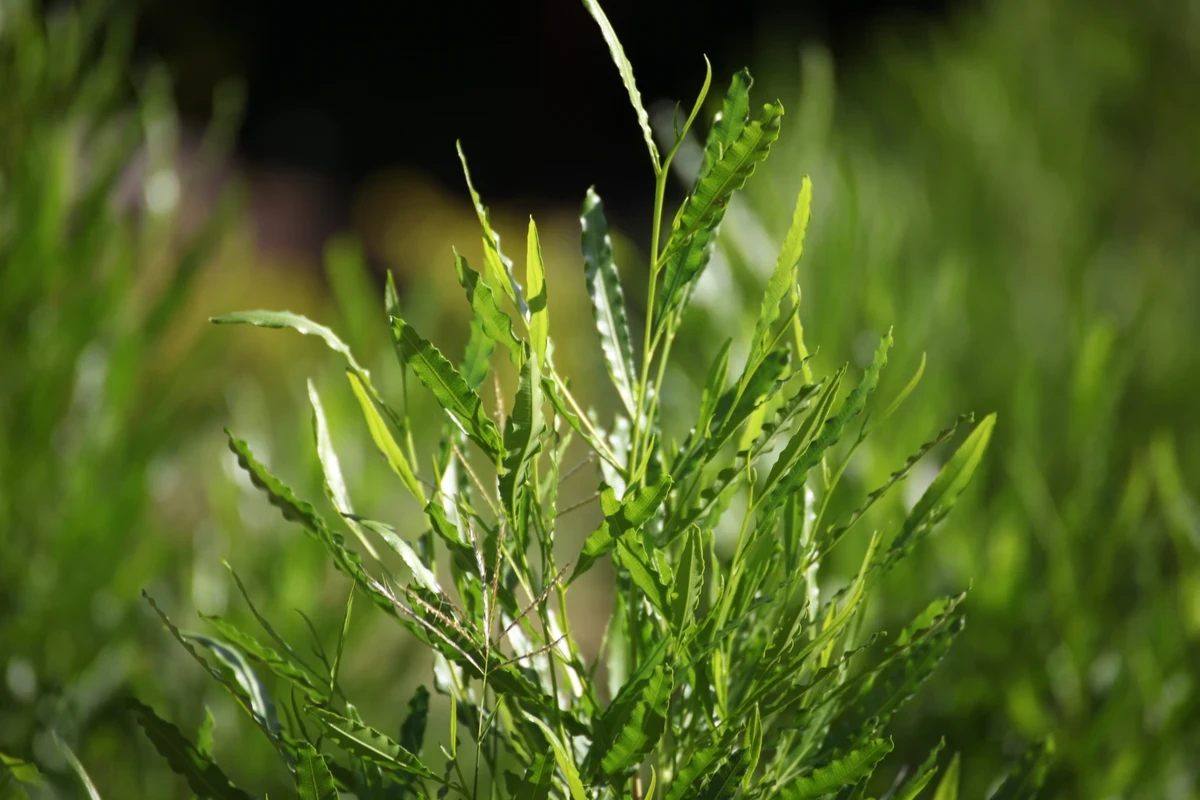
Bois de Reinette (Dodonaea viscosa) is a hardy native pioneer species adapted to dry, exposed conditions. At Petite Montagne, it helps hold soil, create early shade and improve microhabitat conditions for slower-growing native plants.
Citadelle Project in Pictures
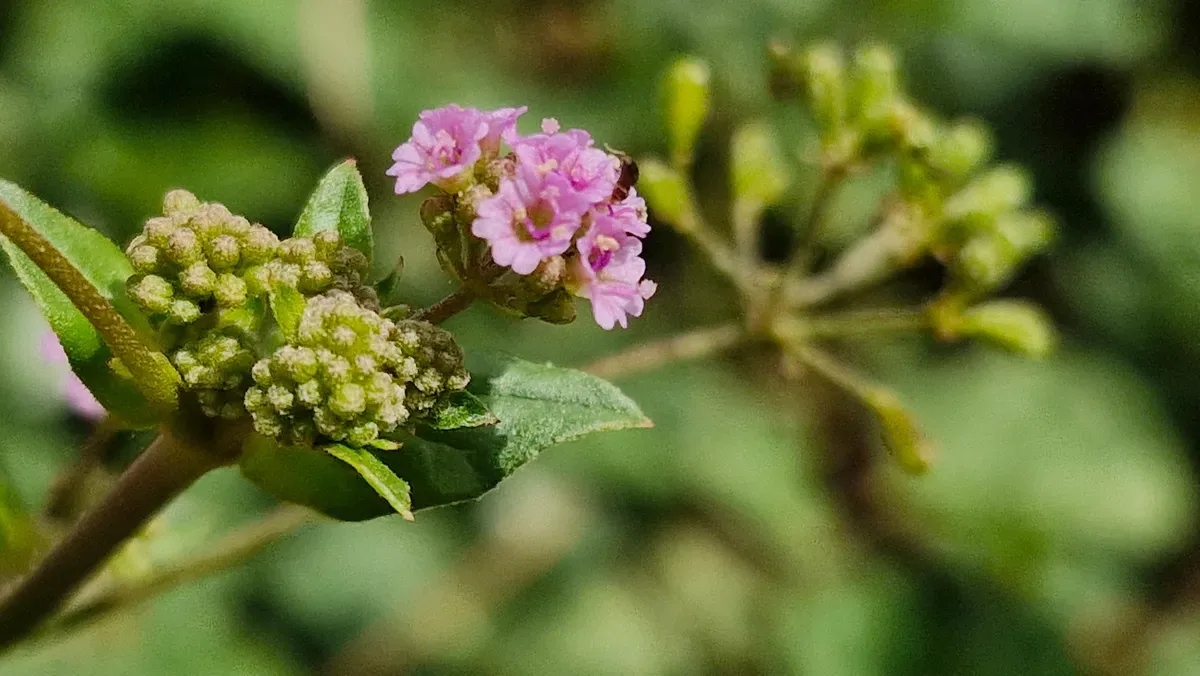
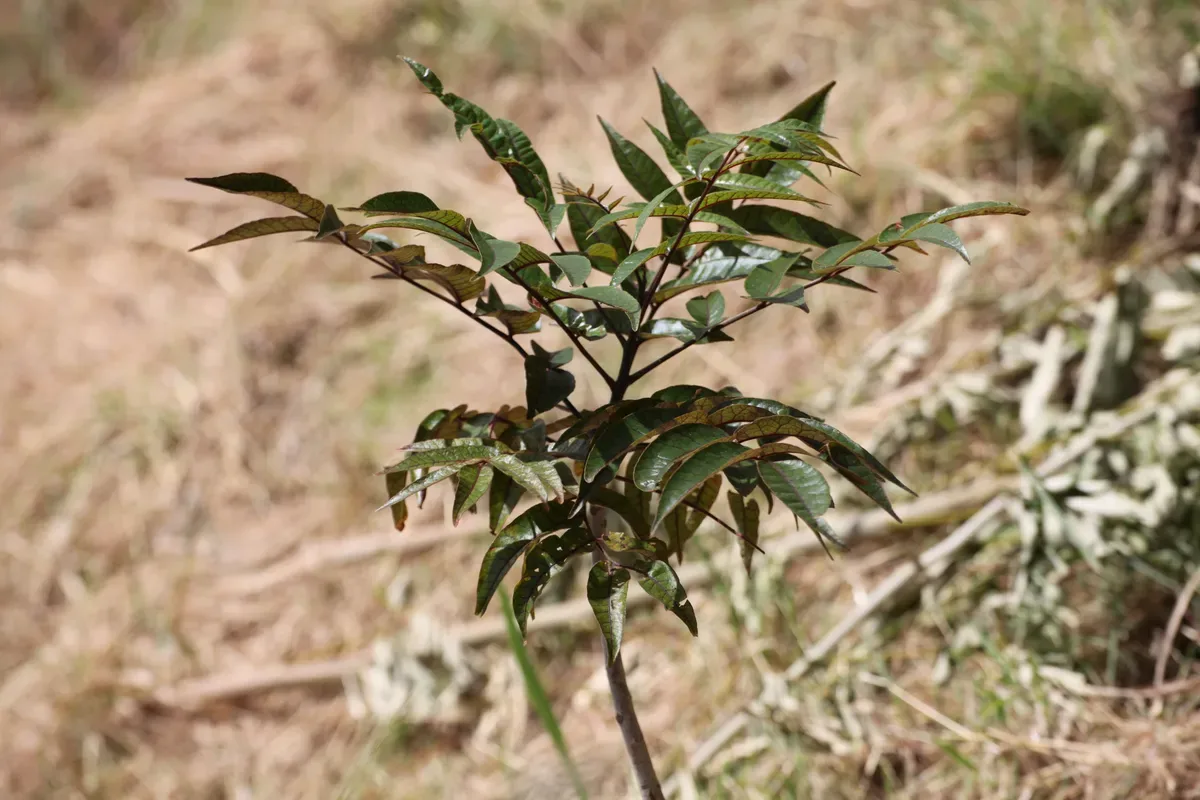
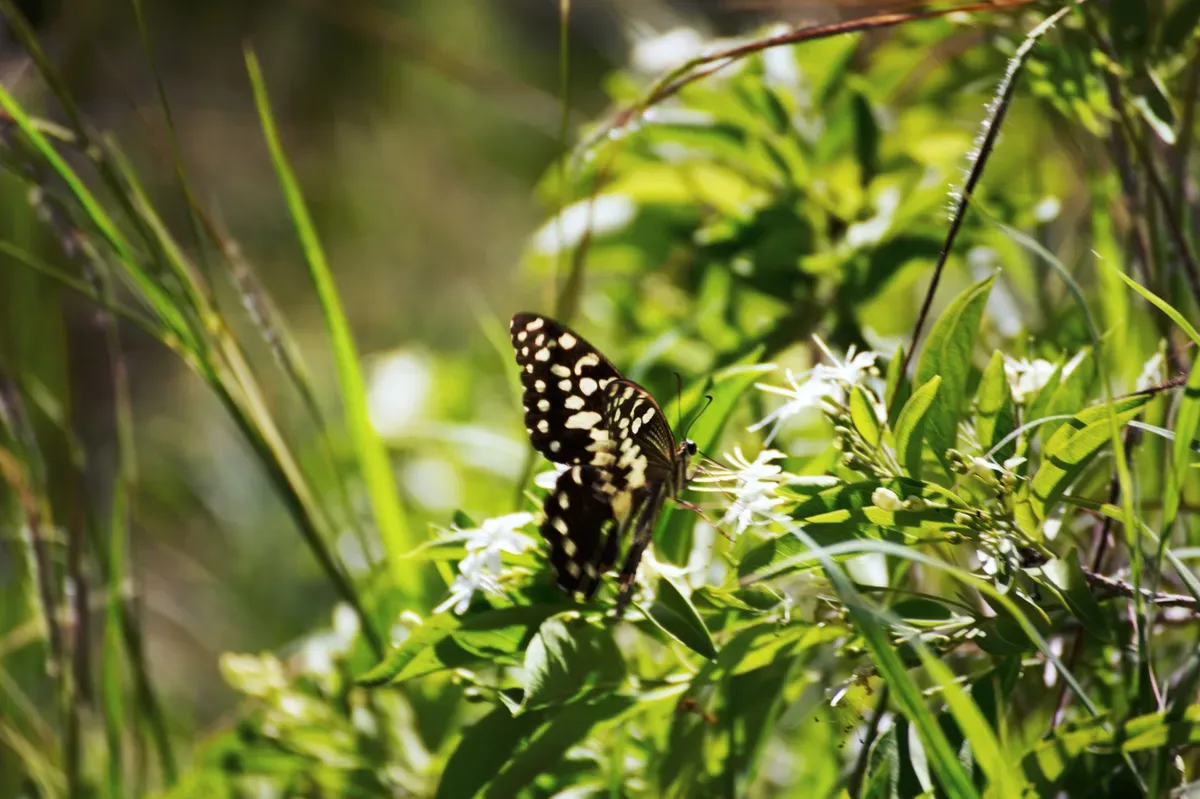
Explore moments from the restoration of Petite Montagne, from planting days and volunteer activities to native species, seasonal changes, and views over Port Louis.
This visual record shows how the landscape continues to change through long-term care, collective effort and ecological recovery.
Supported by a growing network
The Citadelle Project is made possible by partners, funders, sponsors, volunteers, schools, companies and public institutions that support ecological restoration, native biodiversity and environmental learning.












The Citadelle Native Re-vegetation Project depends on continued care, collaboration and public support.
Whether you volunteer, organise a group activity, support the project or help share its story, you help care for a living restoration site and strengthen a culture of native biodiversity stewardship in Mauritius.